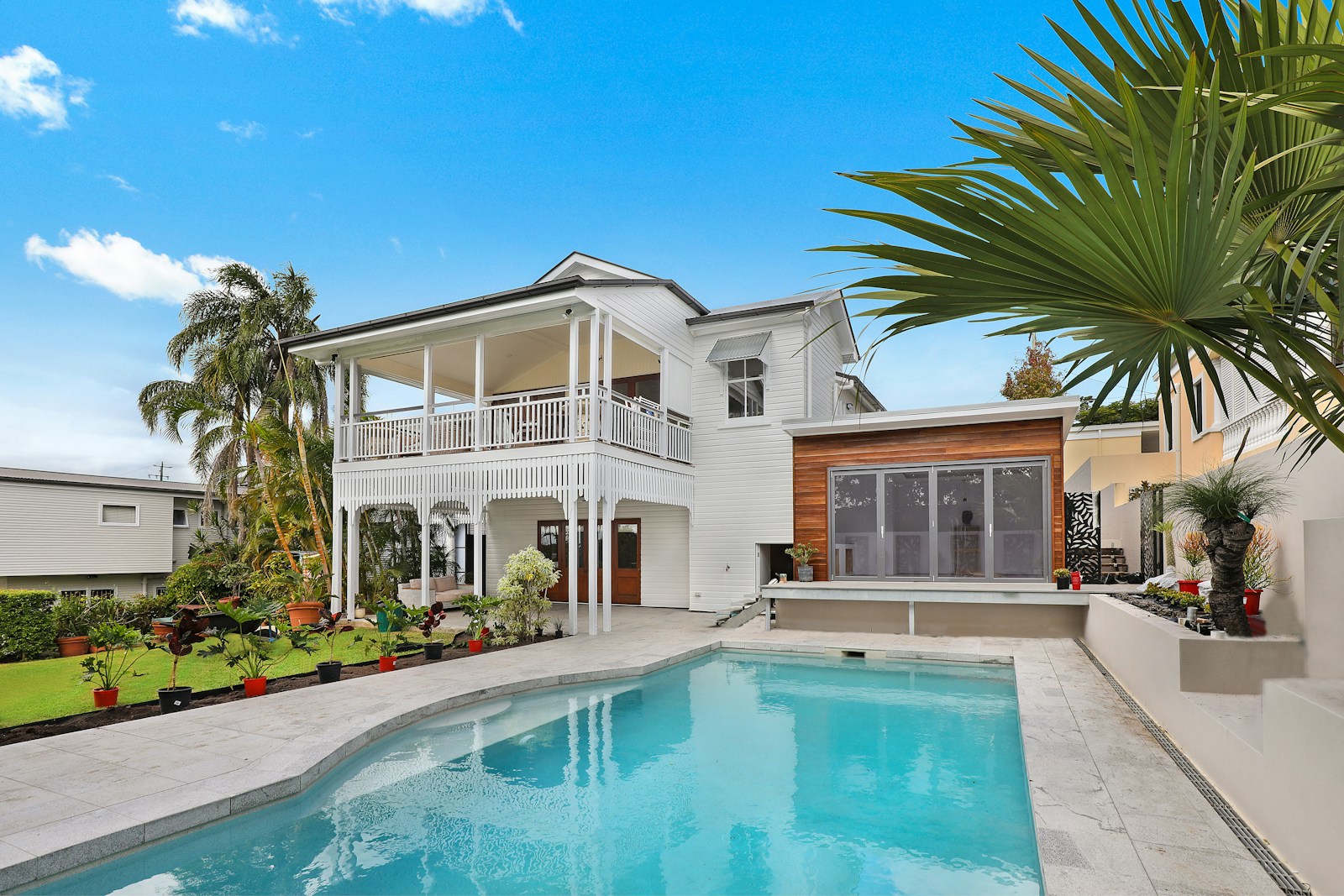
ADU demand in Elk Grove keeps climbing because rents, home prices, and multigenerational households all point the same direction: a second unit on land you already own. State law forces a fast, ministerial permit path, but which counter you visit matters. In-city parcels go through the City of Elk Grove, while the unincorporated fringe around Wilton, Vineyard, and the rural edges files with Sacramento County. Same state rules, different reviewers, different fee schedules.
Ten years ago an accessory dwelling unit in Elk Grove was a novelty. Today it is the most common project inquiry we field from this city, and the reasons are not mysterious. Rents across the Sacramento region have climbed faster than wages, the resale market prices out the adult children of the families who bought here during the boom, and a large share of Elk Grove households already live multigenerationally by choice or necessity. A backyard unit answers all three problems at once, on a lot the family already owns.
We are a Lodi-based General B contractor building ADUs across Elk Grove and the surrounding Sacramento County towns. This post covers what is actually driving demand, what state law guarantees you, and how the permitting really works depending on which side of the city line your parcel sits.
Why Elk Grove demand keeps climbing
Three forces stack on top of each other here. The first is family structure: Elk Grove has one of the region’s highest shares of multigenerational households, and a detached unit or garage conversion gives an aging parent independence without distance. The second is the rental market: a one- or two-bedroom unit within the Elk Grove Unified School District boundary rents quickly and holds tenants, because small rental stock barely exists in a city built almost entirely of large single-family homes. The third is simple arithmetic: buying a second property in this market means today’s prices and today’s rates, while an ADU adds a livable second residence for a fraction of that and builds equity on the parcel you already hold.
There is also a quieter driver we see on walkthroughs every week: the boom-era lots themselves. Thousands of homes in Laguna, Franklin, and Laguna Ridge sit on lots with underused side yards, oversized rear setbacks, or three-car garages that shelter storage bins instead of cars. That is buildable area waiting for a plan.
What state law guarantees, no matter the jurisdiction
California Government Code 65852.2 rewrote the ADU rules statewide and took most of the discretion away from local government. The parts that matter to an Elk Grove homeowner:
- Ministerial review, 60-day clock. A complete ADU application must be approved or denied within 60 days, without public hearings or design review boards. The clock only runs on a complete application, which is why a correct first submittal matters more than any other schedule factor.
- Size floors local zoning cannot undercut. A detached ADU up to 1,200 square feet is allowed on most single-family lots. Attached units can reach half the primary home’s floor area. An 800 square foot unit is protected almost everywhere.
- Setback relief. Rear and side setbacks for a new detached ADU are capped at four feet, which is what makes tract-lot builds feasible at all.
- Impact fee caps. Units under 750 square feet are exempt from most impact fees. Larger units pay proportionally, which is a real budget line worth knowing before you fall in love with a floor plan.
City of Elk Grove or Sacramento County: which counter is yours?
This is the detail most homeowners miss. Elk Grove incorporated in 2000, so parcels inside the city limits, which covers Laguna, Laguna West, Franklin, East Franklin, Laguna Ridge, Stonelake, Old Town, and most of Sheldon, file ADU applications with the City of Elk Grove and get inspected by city building staff. Step outside the city line, toward Wilton, Vineyard’s edges, Walnut Grove, or the rural pockets east and south, and the same project files with Sacramento County instead.
The state rules are identical in both places, but the experience differs: separate fee schedules, separate plan-check queues, separate inspector rosters, and in the county’s case, a higher chance your parcel involves septic capacity review before a second dwelling is approved. We build in both jurisdictions weekly, and we confirm which one governs your parcel during the first site walk so the schedule and the fee lines in your quote match the counter that will actually process the job.
The permit sequence, start to finish
Here is the realistic path from signed contract to shovels on an Elk Grove ADU:
- Weeks 1 to 3: site survey, lot-coverage math, architectural design, structural engineering sized to the expansive clay soils, and the Title 24 energy package.
- Weeks 4 to 6: submittal to the City of Elk Grove (or Sacramento County) and first plan check.
- Weeks 7 to 10: plan-check comments addressed and resubmitted. A tight first submittal often skips most of this window.
- Weeks 11 to 12: permit issued, construction begins.
Construction itself runs three to five months for a garage conversion and five to eight months for a detached unit, through final inspection and certificate of occupancy.
What your lot type means for the build
The boom-era tract lots usually steer toward a garage conversion or a compact detached unit tucked to the rear corner, because side-yard equipment access and lot coverage set the practical ceiling. Old Town’s deeper legacy parcels and the Sheldon acreage properties carry room for the full 1,200 square foot detached unit, sometimes with its own parking approach. Utility routing decides the rest: SMUD service capacity at the panel, the sewer lateral run, and water supply all get mapped during our walkthrough, because a long trench or a panel upgrade belongs in the quote, not in a change order.
What people are actually building
The demand splits into three recognizable projects. Garage conversions lead on volume, because the shell, the slab, and the electrical service are already standing, and because so many boom-era three-car garages shelter boxes rather than vehicles. The conversion scope is insulation and re-framing to energy code, a moisture barrier and built-up floor over the slab, fire separation from the main house, an egress window in the sleeping area, a subpanel, and the kitchen and bath plumbing. Mid-size detached units, 600 to 1,000 square feet, are the workhorse for rental income and parent suites, with their own foundation and utility runs. The full 1,200 square foot two-bedroom detached build is the long-term play: owners treat it as a second house on the parcel, and on Old Town and Sheldon lots it genuinely functions as one.
Junior ADUs, carved from up to 500 square feet inside the existing home, round out the menu for owners who want a separate suite with minimal construction. They pair well with a garage conversion when a family needs two units instead of one, and state law allows both on many lots.
Demand math for owners thinking rental
A well-built one-bedroom unit in Elk Grove rents fast and stays rented, and long-term rental of an ADU on a single-family lot is protected by state law. Short-term rental is a separate question governed by city ordinance, so confirm current rules before building a plan around nightly rates. Most of our clients underwrite the unit on long-term tenancy or family use, treat any premium above that as upside, and are glad they did.
FAQ
Does an ADU application in Elk Grove require a public hearing?
No. State law makes ADU review ministerial, which means staff checks the plans against objective standards and must act within 60 days of a complete application. There is no design review board, no neighborhood hearing, and no discretionary denial as long as the plans meet code.
My parcel is just outside the city limits. Does that change anything?
The state rules stay the same, but your application files with Sacramento County instead of the City of Elk Grove: different fee schedule, different plan-check queue, different inspectors. If the parcel is on septic, the county will also review system capacity before approving a second dwelling. We confirm jurisdiction on the first site walk.
How big an ADU can I build on a standard Laguna or Franklin lot?
State law protects a detached unit up to 1,200 square feet on most single-family lots, but lot coverage and access usually set the practical size on tract parcels. Many of our tract-lot clients land between 600 and 900 square feet, or convert the garage. Adam runs the coverage math on your specific parcel during the free walkthrough.
What are the biggest hidden costs?
Utility routing and electrical capacity. A long sewer lateral trench, a panel that cannot carry a second dwelling, or a tight side yard that slows equipment all move the number more than finish choices do. We map all three during the quote so they are line items, not surprises.
Are you licensed and insured?
Yes. ADC Construction holds California General B license CSLB-1101343 with full general liability and workers compensation. Adam is a US Army veteran who founded the company in 2022, and we build ADUs design-build: plans, engineering, permits, and construction under one contract.
Ready to Plan Your Elk Grove ADU?
Free on-site walk-through, line-item quote within 48 hours, no high-pressure sales.
Serving Elk Grove, Wilton, Vineyard, and the Sacramento County area. See our Elk Grove ADU contractor page, the Elk Grove service area, browse our project gallery, or learn about our team.