Ripon Insurance Roofing
Storm damage documented properly, a claim your carrier can actually read, and an honest answer about whether you should be filing one at all.
After a Winter Valley Storm, Look Before You File
The calls come in the same week every winter. A front moves through the Valley, the wind gets under something, and the next morning there are granules in the gutter, a shingle in the front yard, or a stain on a bedroom ceiling that was not there on Tuesday.
The calls come in the same week every winter.
The first thing worth saying is that not every one of those mornings is a claim. Some are a half day of repair work: a few lifted tabs re-bedded, a length of ridge re-nailed, flashing reset at a wall. Filing a claim on a repair-sized problem can cost you more in the long run than the repair would have, and we will say so on the walk rather than after you have already called the carrier.
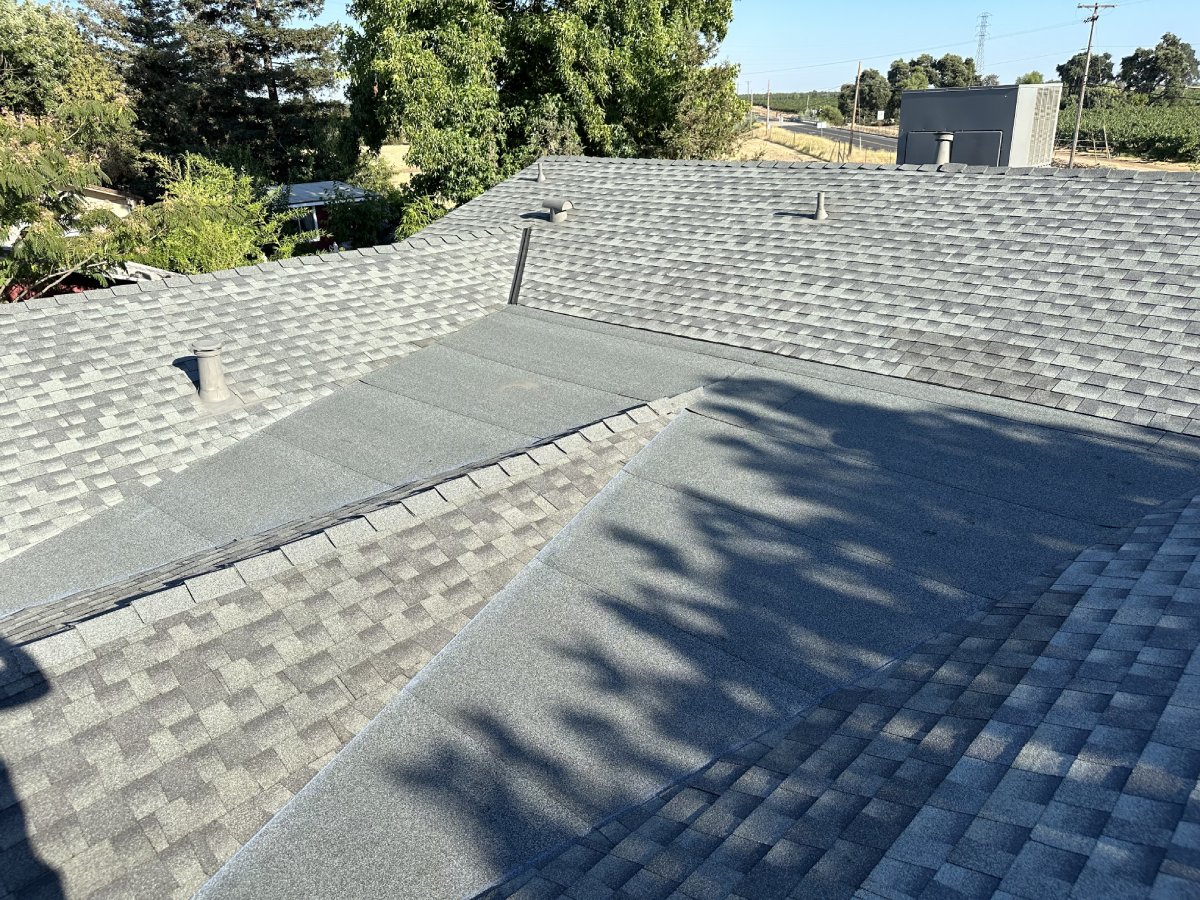
The second thing is that damage does not always look like damage from the driveway. Wind rarely rips a Ripon roof off in one piece. It breaks the seal strip between shingle courses, so the shingle lies back down and looks normal, but it is no longer bonded and the next storm takes it. That failure is visible from the roof, and it is nearly invisible from the ground.
So we go up. Adam or a crew member gets on the roof, walks the slopes, checks the field, the ridges, the hips, the valleys, the flashing and the penetrations, and looks at the underside from the attic where there is access. What we find gets photographed with enough context that a person who was never at your house can tell which slope it came from.
Then we tell you which of the three situations you are in: a repair, a claim worth filing, or a roof at the end of an honest service life that insurance was never going to pay for. All three get a written scope and a number. Only one of them involves your carrier.

What an Adjuster Is Actually Reading
An adjuster is not hostile. He is working from a file, on a schedule, against a policy that pays for sudden damage from a covered event and does not pay for a roof wearing out. Everything he needs to approve your claim has to be in that file, and if it is not there, the answer defaults to no.
That means dates matter. A storm date tied to the damage, photos that show a location rather than a texture, and a scope that lists quantities and materials the way a carrier’s software lists them. A folder of blurry close-ups with no slope reference is the single most common reason a legitimate claim comes back short.
It also means what is under the shingles matters. If decking, underlayment or flashing has to be replaced to install the new roof correctly, those items belong in the scope from the start rather than showing up as a supplement after tear-off, when everybody is annoyed and the crew is standing on an open roof.
We write the documentation to be read by the person who will actually read it, meet the adjuster at the property when the carrier sends one out, and walk the same slopes with him that we walked with you.
When Only Part of the Roof Comes Off
Partial replacements are common on a storm claim, and they are where a roof gets visibly compromised if nobody thinks it through.
Shingles age in the sun
A composition shingle that has spent years under Valley summers is not the color it left the factory. Order the same product today and the new bundles will read brighter than the field they are landing next to, even with a matching name on the wrapper. On a rear slope nobody sees, that can be perfectly acceptable. On the slope facing the street, it is the thing your neighbors notice for the next decade.
Products get discontinued
Roofs that went on ten or fifteen years ago frequently carry a shingle line that no longer exists. When that happens, matching stops being a color question and becomes a thickness and profile question, because two products with different exposures do not course together cleanly no matter how close the color is.
Where the seam lands
If a partial is the right call, the break belongs at a ridge, a hip or a valley where the eye already expects a line, never mid-field. A mid-slope transition telegraphs through the finished roof and creates a lap detail that has to be flashed carefully to stay watertight.
The conversation to have first
Before the claim is settled is the time to decide whether a partial is acceptable to you, because that decision changes the scope your carrier is evaluating. We lay out what the match will realistically look like, in words, before anybody orders material, and let you make the call with the real picture in front of you.
You Should Not Be the Go-Between
The worst version of a roof claim is the one where the homeowner relays messages between a contractor and an adjuster who have never spoken.
We Meet the Adjuster
When the carrier sends somebody out, we are there, on the roof, with the same photos and the same scope in hand.
One Scope Language
The document we give you is written in the line items a carrier already uses, so there is nothing to translate and less to argue about.
Supplements Up Front
Decking, underlayment or flashing that has to be replaced goes into the scope at the start, not as a surprise after tear-off.
No Filing Pressure
If we think a repair serves you better than a claim, that is what the written scope says. Your policy is not our sales tool.
General B Licensed
Roofing, and everything the storm damaged on the way in: framing, drywall, paint, all under one license and one contract.
Twenty Minutes Away
Ripon is a short run down Highway 99 from our Lodi shop, so a tarp call or a second look does not wait for a route day.
Storm Damage and Claims, Straight Answers
Should I call you or my insurance company first?
Call us first and let somebody get on the roof. Once you know whether you are looking at a repair, a covered loss or a roof simply at the end of its life, the call to the carrier is an informed one. Filing before anybody has been up there is how homeowners end up with a claim on their record for a problem a half day of repair work would have solved.
My roof looks fine from the yard. Could there still be wind damage?
Yes, and this is the common case. Wind usually breaks the seal strip that bonds one shingle course to the next rather than tearing anything off. The shingle lies back down and looks untouched from the driveway, but it is no longer bonded, and the next front lifts it. That failure reads clearly from the roof surface and is close to invisible from the ground.
Will the new shingles match the ones you are leaving in place?
Close, rarely perfect, and we will tell you which before material is ordered. Shingles age in the Valley sun, so new bundles read brighter than a weathered field even under the same product name, and older roofs often carry a line that is no longer made. On a rear slope that is usually fine. On the street-facing slope it is worth a conversation first.
What do you photograph for the carrier?
Slope-by-slope images with enough context that somebody who was never at your house can tell where each one came from, plus the specific findings: lifted or unsealed shingles, damaged ridge and hip, flashing, valleys, penetrations, and the attic side where there is access. Close-ups alone with no orientation are the most common reason a legitimate claim comes back short.
Do you meet the adjuster at the house?
We do. When the carrier sends somebody out, we are on the roof with him, working from the same photos and the same written scope you have. That keeps you out of the middle, and it means the questions about decking, flashing or underlayment get answered by the person who walked the slopes instead of relayed through a homeowner.
What if my roof is just worn out rather than storm damaged?
Then we say so, because a policy pays for sudden damage from a covered event and does not pay for a roof wearing out. If yours has good years left we will recommend maintenance instead, and if it is genuinely done we will scope a replacement as ordinary work with photos showing exactly why. Either way you get the written scope and the reasoning behind it.
Other Work We Do on Ripon Properties
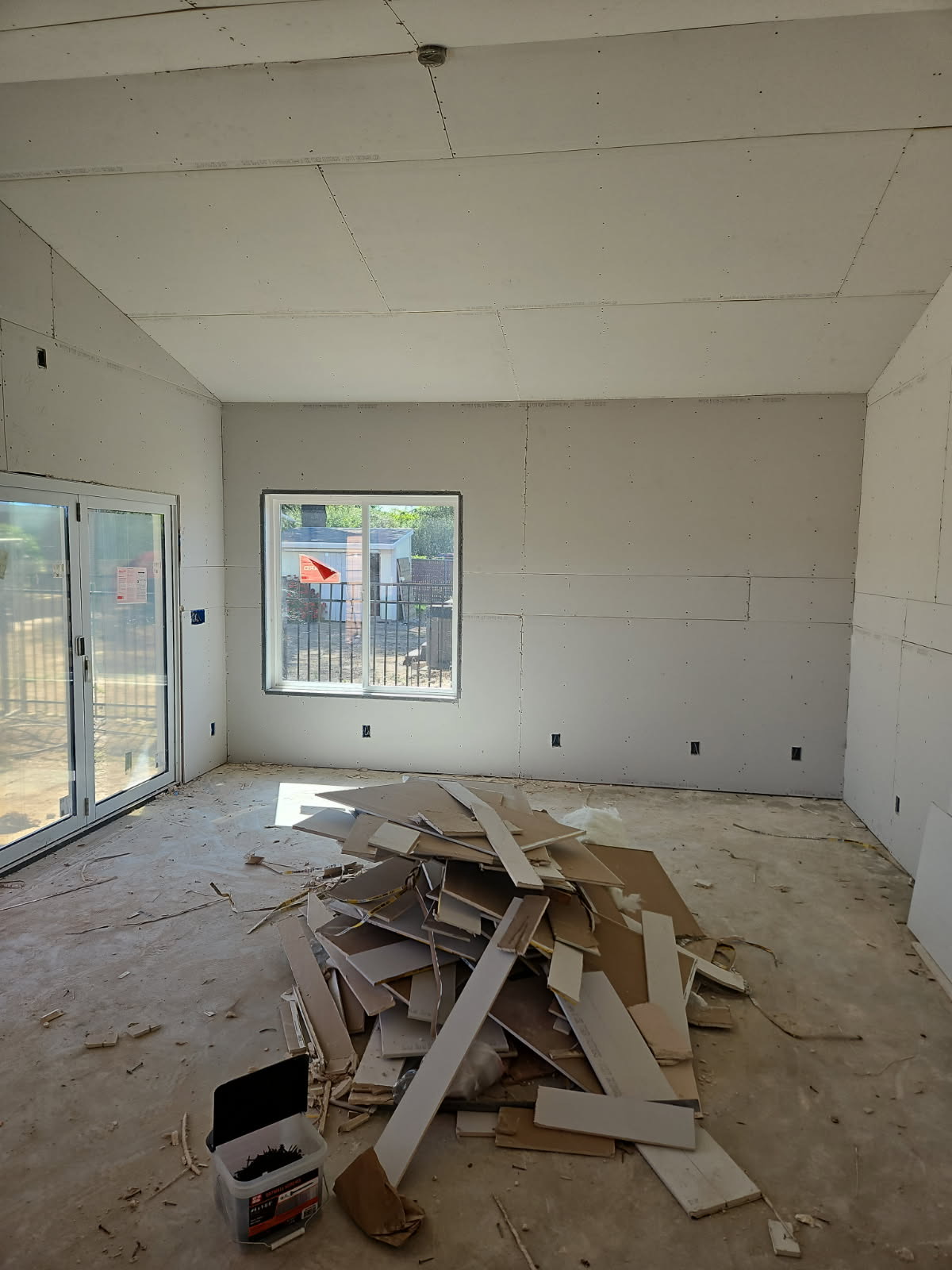
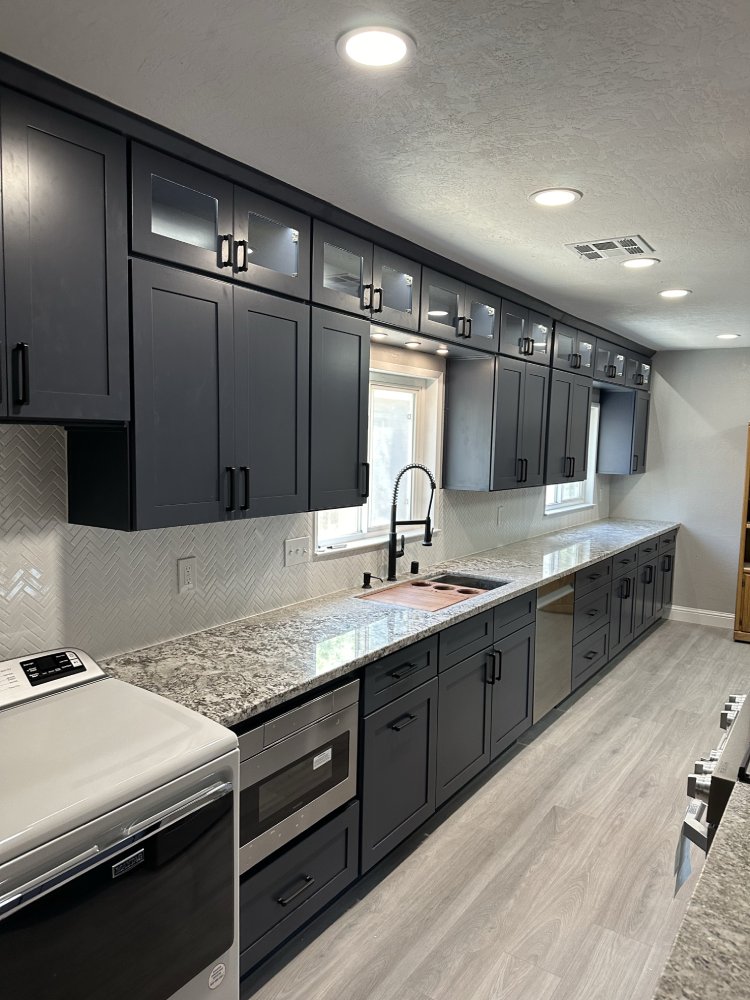

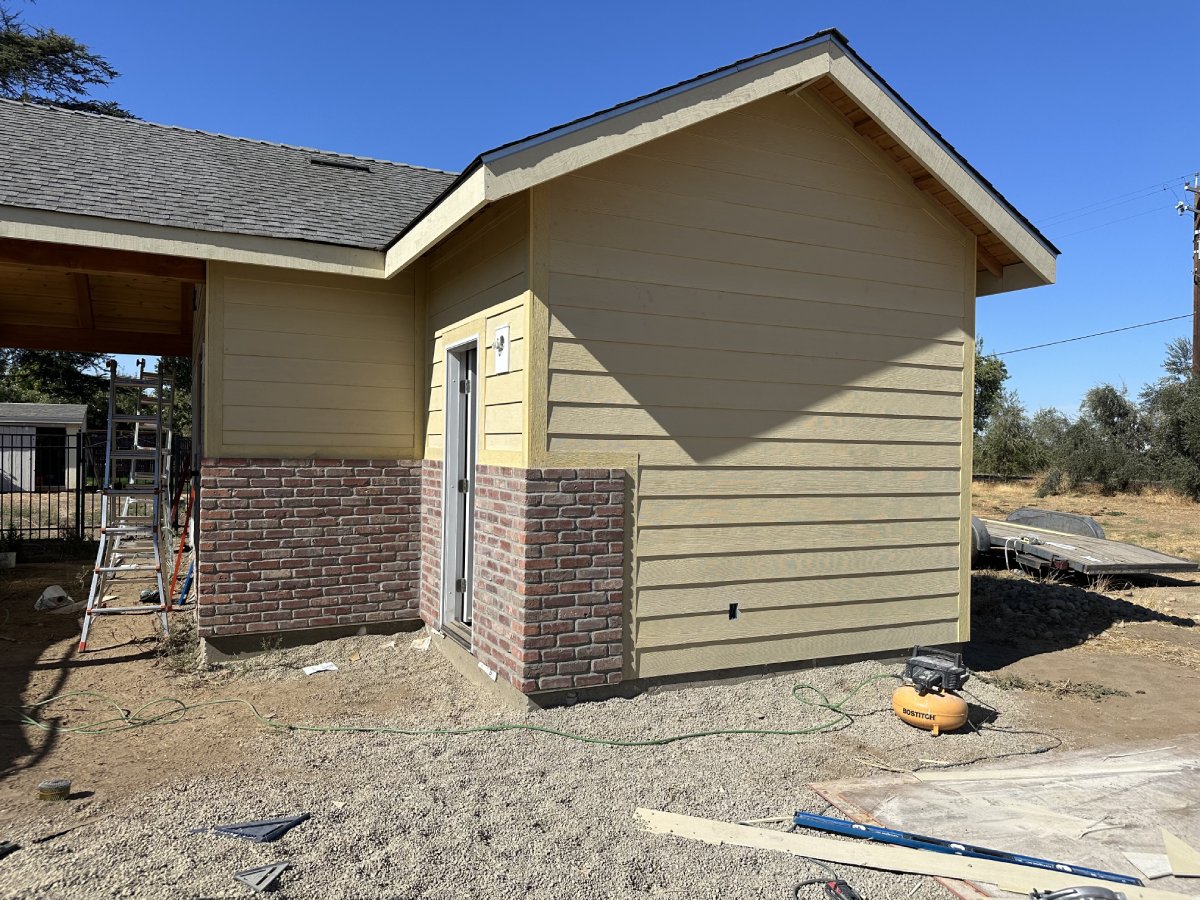
Adding a unit under that new roof? We build dwelling units and junior units here as well. Everything we cover in town is on the Ripon page, the trade detail sits on our insurance roofing service page, and finished roofs are in the gallery.
Get Somebody on the Roof Before You Call the Carrier.
Talk to Adam. He walks the slopes himself, photographs what he finds the way an adjuster needs to see it, and tells you plainly whether this is a repair, a claim or a roof that has honestly finished its run. The written scope follows within days either way. Send the details through our contact page and we will set the walk.